Moscow 2030: Creating a biometric paradise
Digital utopia is possible with surveillance cameras & public-private partnerships
Riley Waggaman
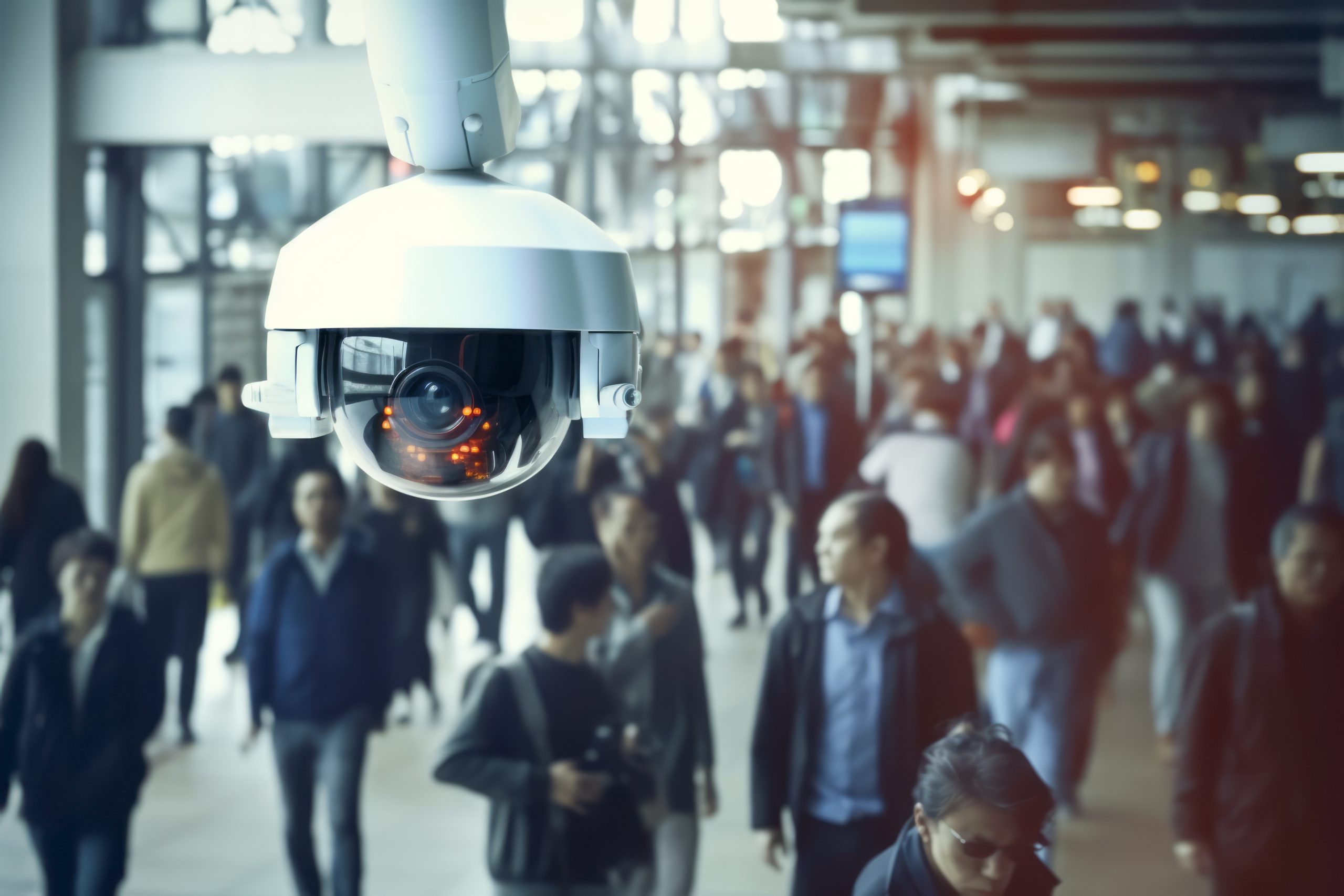
As most of you probably know, Russia’s capital city has been fighting a covert shadow war against Unipolar jaywalking, which is one of the top three threats facing BRICS and the Global South. Probably you read about it on ZeroHedge.
I’m happy to report that the Multipolar Pedestrian Order has made significant inroads with the assistance of facial recognition cameras programmed to publicly shame Muscovites who rudely cross the street without permission:

Source: TASS.ru
The prototype “tracks a pedestrian’s movement … If a pedestrian violates traffic rules, his image, without identification, is transmitted to an electronic information display board located nearby.”
Safe. Effective. Convenient. But there’s just one problem: Why do some Russians think they can go outside without being immediately identified by an algorithm?
[The head of Moscow’s State Traffic Inspectorate, Alexander Bykov,] noted that in order to create and ensure the effective use of an automated system for bringing pedestrians to administrative responsibility, it is necessary to have biometric data of all citizens. In this case, the submission of biometric data should become an obligation of citizens.
If this anti-globalist traffic light is only supposed to gently wag a finger at “unidentified” rule-breakers—as opposed to identifying them and deducting 5,000 GrefCoins from their SberWallet—why would you need the biometric data of all citizens? Curious minds want to know.
(Coincidentally, the collection of all biometric data in Russia—which is being stored and used by a commercial enterprise—is underway.)
But let’s look at the big picture: These exciting developments will help Moscow achieve Smart City status, a metamorphosis slated for completion by 2030. They picked that year at random; it has no significance.
Here’s the Moscow 2030 website for those who might be interested:

Moscow 2030: Smart City (source: 2030.mos.ru)
Moscow’s 101-page blueprint for becoming Smart includes the widespread use of video surveillance cameras to make transportation more safe and convenient. It also calls for “wearable and implanted medical digital devices” that can be used to calculate health insurance payments. As an added bonus, the document advocates for “genetic passports” that will help “optimize protocols for traditional therapy and in the future gene therapy”.
Very fancy but to what end? What is the purpose of the Moscow 2030 plan? The listed goals of the project are as follows:
- “Ensuring sustainable growth in the quality of life of Muscovites and favorable conditions for conducting business and other activities through the use of digital technologies.”
- “Centralized, end-to-end and transparent city management based on Big Data and Artificial Intelligence.”
- “Increasing the efficiency of government spending, including through the introduction of public-private partnerships in the field of information and digital technologies and communications.”
This word salad looks strangely familiar.

source: weforum.org
Just to be 100% clear, though: Moscow is not a member of the WEF’s Smart Cities Alliance. Ergo, the Moscow 2030 plan is designed to expose Bill Gates and the Federal Reserve System.
Multipolar Technocracy is good because it stops the spread of Unipolar Technocracy, which is bad. We know this is true because a report published by the OECD in 2019 described Moscow’s Smart City project as a positive step towards “achieving the SDGs”.

source: oecd.org
The good news is that Russians don’t seem overly excited about gene therapies or algorithms programmed to terrorize pedestrians.
The bad news is that the Russian government is grooming young people for Smart City life. There is even an educational Smart City center in Moscow that hosts fun parties for children. Children are our future, after all.

“Children will go on exciting adventures in which they will have to defeat and reprogram the insidious Computer Virus in order to teleport Santa Claus to celebrate the New Year.” (source: icmos.ru)

The Smart City pavilion at VDNKh (source: vdnh.ru)
Riley Waggaman is your humble Moscow correspondent. He worked for RT, Press TV, Russia Insider, yadda yadda. In his youth, he attended a White House lawn party where he asked Barack Obama if imprisoned whistleblower Bradley Manning (Chelsea was still a boy back then) “had a good Easter.” Good times good times. You can subscribe to his Substack here, or follow him on twitter or Telegram.
Thanks for reading...
You can help us keep doing what we do. Every little helps and is hugely appreciated.




For other ways to donate, including direct-transfer bank details click HERE.
 wpDiscuz