UK Gov’t Promises MORE Social Media “Restrictions”
...but what does that mean?
Kit Knightly
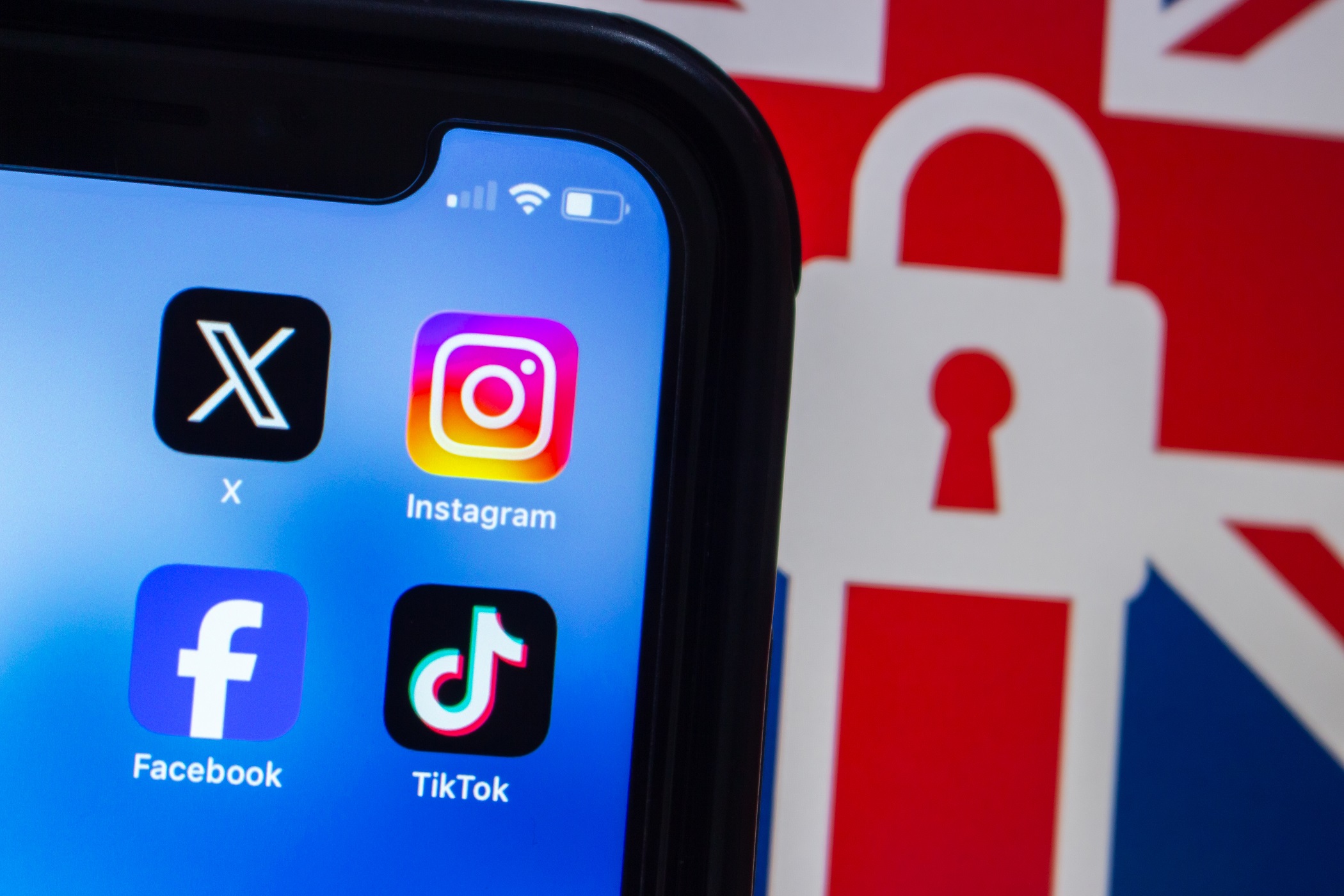
While embattled PM Sir Keir Starmer takes a pointless grilling on the even more pointless existence of Peter Mandelson, other members of his cabinet were busily paving the way for the next construction phase of our increasingly dystopian society.
Speaking to Sky News earlier today, Education Secretary Bridget Phillipson promised…
“more action to keep young people safe online, including around social media”.
Which is delightfully vague.
Education Minister Olivia Bailey kept her cards similarly close to her chest, whilst trying to sound forceful:
“It is a question of how we act, not if, but to put this beyond any doubt, we are placing a clear statutory requirement that the Secretary of State ‘must’, rather than ‘may’, act […] We are clear that under any outcome, we will impose some form of age or functionality restrictions for children under 16.”
So we know they’re going to do something…we just don’t know what. And, if I had to guess, neither do Bridget or Olivia. Neither seems like the kind of people that get kept in the loop, and that flavour of waffle is usually the reserve of those who have no idea what’s going on.
Many commenters – both for and against – have interpreted this promised action as an Australia-style social media ban for children. Certainly, that’s what Conservative MP Laura Trott seems to think in her champagne-popping tweet:
We did it. Just 18 months ago Labour said a social media ban was not something they were considering. They have now finally committed to social media restrictions for under 16s. This is a huge victory and a pivotal moment for children across our country after months of delay and… https://t.co/bPgIWPycrQ
— Laura Trott MP (@LauraTrottMP) April 27, 2026
…but the signs might be pointing in another direction.
After all, the Social Media Ban is practically on the books. It was introduced as an amendment to the Children’s Wellbeing and Schools bill, and has already passed the Lords four times. It could have become law already, but Ministers and MPs have repeatedly overturned the vote, declaring the need for further consultation.
Then, earlier today and coinciding with this government pledge to take action, the Independent published a report that suggests Australia’s social media ban doesn’t work.
Two thirds of Australian teens still using social media despite under-16s ban
The article quotes the head of the Molly Rose Foundation, who warns “an Australia-style ban would not deliver the improvements in online safety that parents and children deserved”:
“These results raise major questions about the effectiveness of Australia’s social media ban and show it would be a high stakes gamble for the UK to follow suit now,” the foundation’s head Andy Burrows said.
“Proponents of a ban argue it offers an immediate and decisive firebreak but the early evidence from Australia shows it only lets tech firms off the hook and fails to give children the step change in online safety and wellbeing they need.”
That’s interestingly timed, don’t you think? Why discredit the ban if the plan is to follow suit?
Sky’s article has their Technology Reporter list potential alternatives, including bans on infinite scrolling, or “digital curfews” that lock children’s accounts after a certain time.
It would be reasonable to assume, based on this, that whatever the UK government eventually does will be somehow…different. Perhaps stricter or enforced differently, perhaps centered on devices rather than platforms.
There are plenty of possibilities.
The head-scratching question is “why?”, and the only answer I can see that makes any sense is that Independent is telling the truth and Australia’s ban doesn’t work – i.e for its real intended purpose (mass surveillance).
Maybe, and this is rampant speculation, but maybe the inevitable uptick in VPN usage actually made it harder to track people’s data and activity to the extent it offset the utility of and effort required in enforcing the ban.
Like I said, speculation, but we have an explanandum in need of an explanation.
Of course, it could be argued the specifics don’t really matter – because no matter the legislation or regulation, it can only be enforced one way: By mandating age verification for everybody, and using that to introduce digital IDs.
If it’s all heading in the same direction in the end, maybe picking apart the details is a waste of our time, maybe the differences only exist to create the illusion of variety or impression of dissenting views.
But it could be there’s something to learn, and perhaps in reading the wrinkles there’s insights to be gained that could help us resist when the government finally tell us what “restrictions” they’re putting in place.
Thanks for reading...
You can help us keep doing what we do. Every little helps and is hugely appreciated.




For other ways to donate, including direct-transfer bank details click HERE.
 wpDiscuz